Clarify the card format
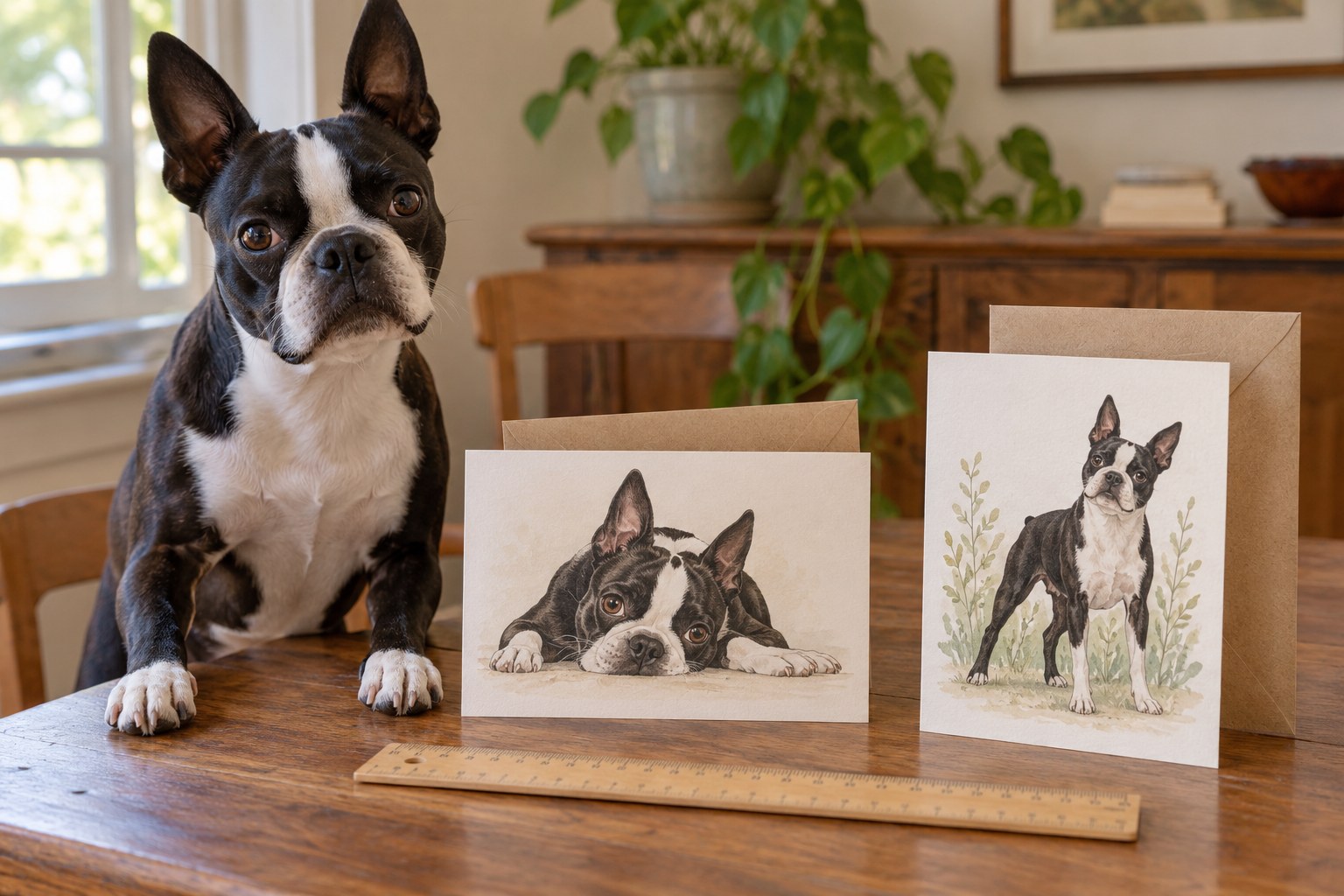
Check whether the listing gives the folded size, flat open size or paper-sheet size. A two-fold card can appear much larger in a photograph than it does when closed. Look at an interior view and confirm where writing is intended to go. If the card is a digital download, identify what printing, cutting and folding you must arrange yourself.
Read whether the inside is blank or carries a message. A blank interior can suit several occasions, but check the surface if you intend to write with a particular pen. Do not assume metallic or coated paper behaves like ordinary stationery. If using a printed insert, measure the usable interior and leave room for the fold and edges.
Check the envelope in its finished form
Confirm that an envelope is included and identify its colour, closure and dimensions. If supplying your own, allow enough space for the card to slide in without bending its corners. Decorations, layers and inserts add thickness, so test the complete card rather than the bare folded sheet. A snug fit that requires force is inconvenient for both sender and recipient.
Consider how it will be addressed. Dark or patterned envelopes may need an appropriate clear label or writing method. Keep the address area legible and avoid placing decoration where it obscures postal information. If sending several cards, complete one sample first rather than assembling the whole batch before discovering an envelope mismatch.
Check postage for the actual object
USPS notes that shape can affect mailing classification and that square greeting cards may require extra postage. Check the current rules of the postal service you will use, especially for a rigid, unusually shaped or embellished envelope. Do not rely on the card seller's generic statement that it uses a standard stamp in every country.
Weigh and measure the finished envelope with all inserts inside. If uncertain, take a complete example to the postal service or use its official guidance. Protect delicate embellishments in packaging appropriate for mailing rather than adding loose objects to a thin paper envelope. Keep a card intended for hand delivery separate from the batch prepared for post so the packaging does the right job. Check destination addressing requirements separately when sending overseas, especially if the recipient uses a different script.