Choose activities with different jobs
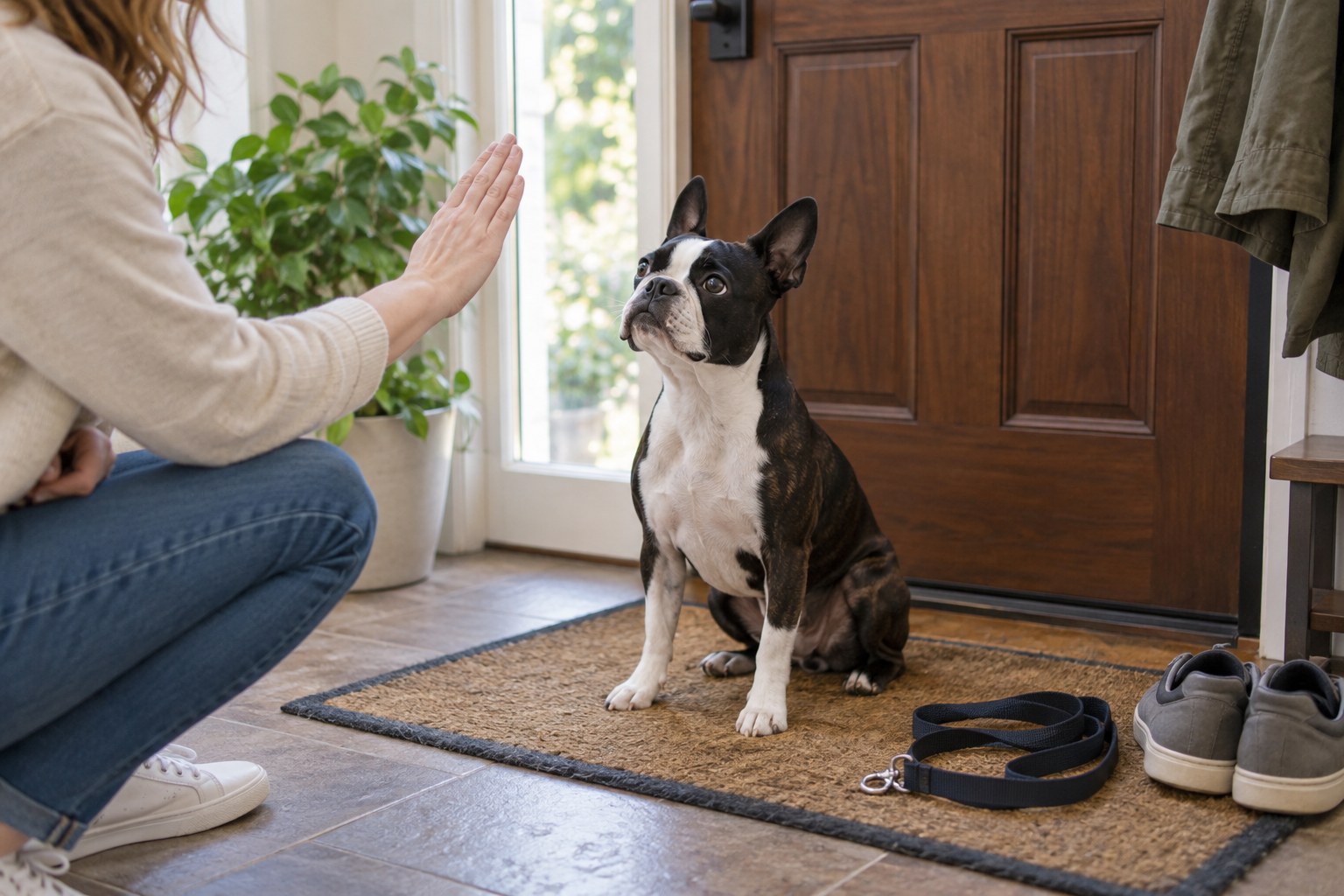
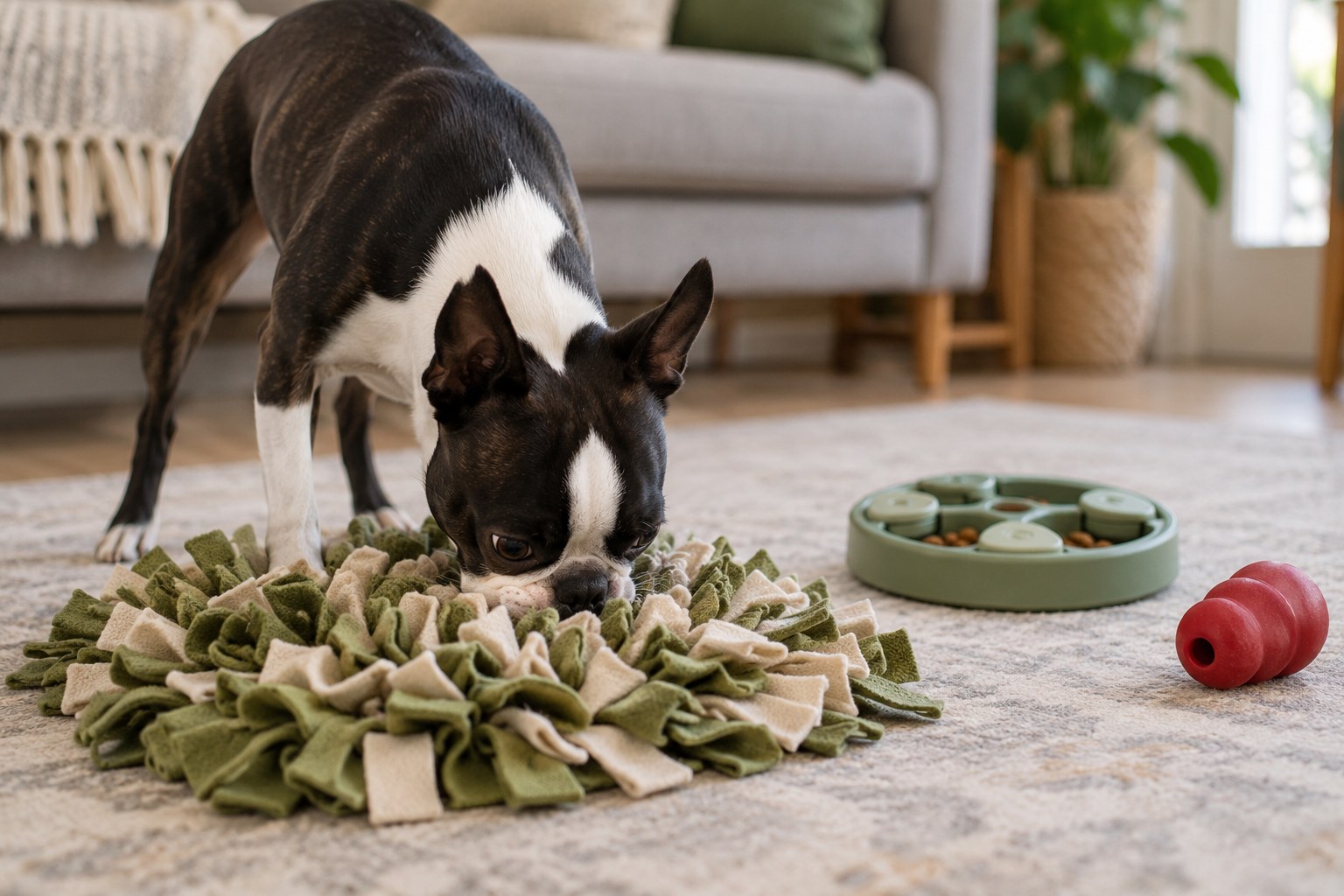
Make three columns on a scrap of paper: searching, working with you, and exploring a toy. These are planning categories, not a required training program. A small food search on a clean floor, a few familiar reward-based cues and supervised play with an appropriate toy give you different options. Choose activities that suit your Boston Terrier's abilities and any dietary or exercise instructions from their veterinarian.
Avoid assembling a cupboard full of complicated equipment at the start. One washable food toy may be enough to establish whether your dog enjoys that kind of task. Read its instructions, inspect its size and check how it behaves on your floor before adding food.
Make the first version obvious
For a search activity, begin with food in plain sight in a small cleared area. You can make the search less obvious later without making pieces inaccessible under furniture. Keep other pets apart during food activities so nobody has to defend their portion. Count the food as part of what the dog receives that day rather than adding unlimited extras.
With a puzzle, demonstrate an easy opening and watch what the dog actually does. Repeatedly biting a rigid edge, walking away or becoming frantic suggests that this version needs changing. Simplify the task or stop; completing a purchased puzzle is not an achievement the dog owes you.
Rotate availability, not every detail
Put two or three suitable options away while leaving a familiar favorite available. Choose tomorrow's activity according to the day: a quiet search may fit after a short outing, while a game with you needs time when you can pay attention. There is no benefit in changing the room, toy and instructions together if that makes the activity confusing.
Keep a tiny record such as 'easy to start; finished calmly' or 'too difficult; try fewer pieces.' Dogs Trust recommends considering preferences and observing engagement when choosing enrichment. Your notes can remain much simpler than a timetable.
Leave room for doing nothing
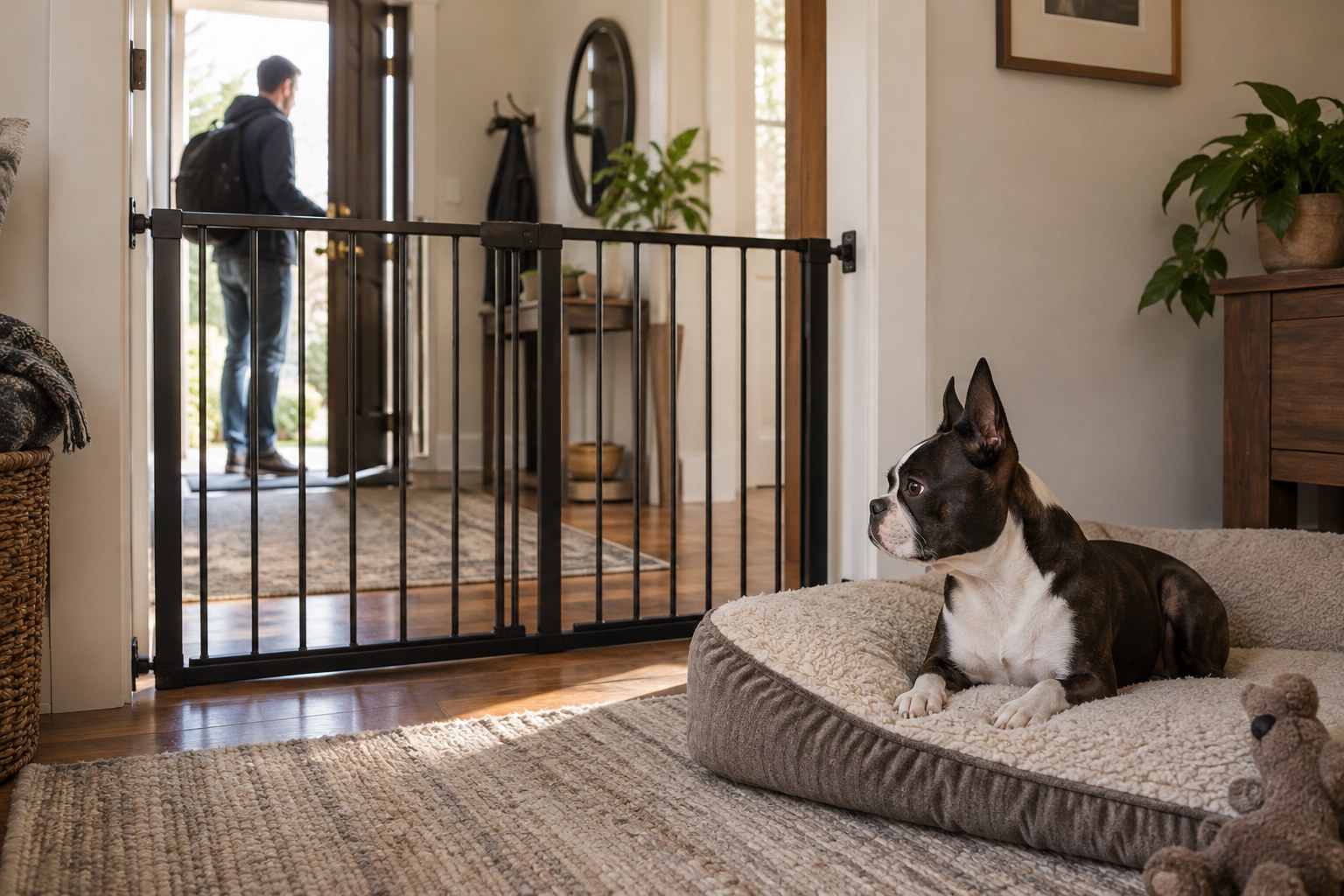
Finish while you can supervise the final moments, remove damaged parts and clean food equipment as directed. Store damp toys where they can dry before closing a lid. Do not leave a newly introduced item with an unattended dog merely because it was sold as enrichment.
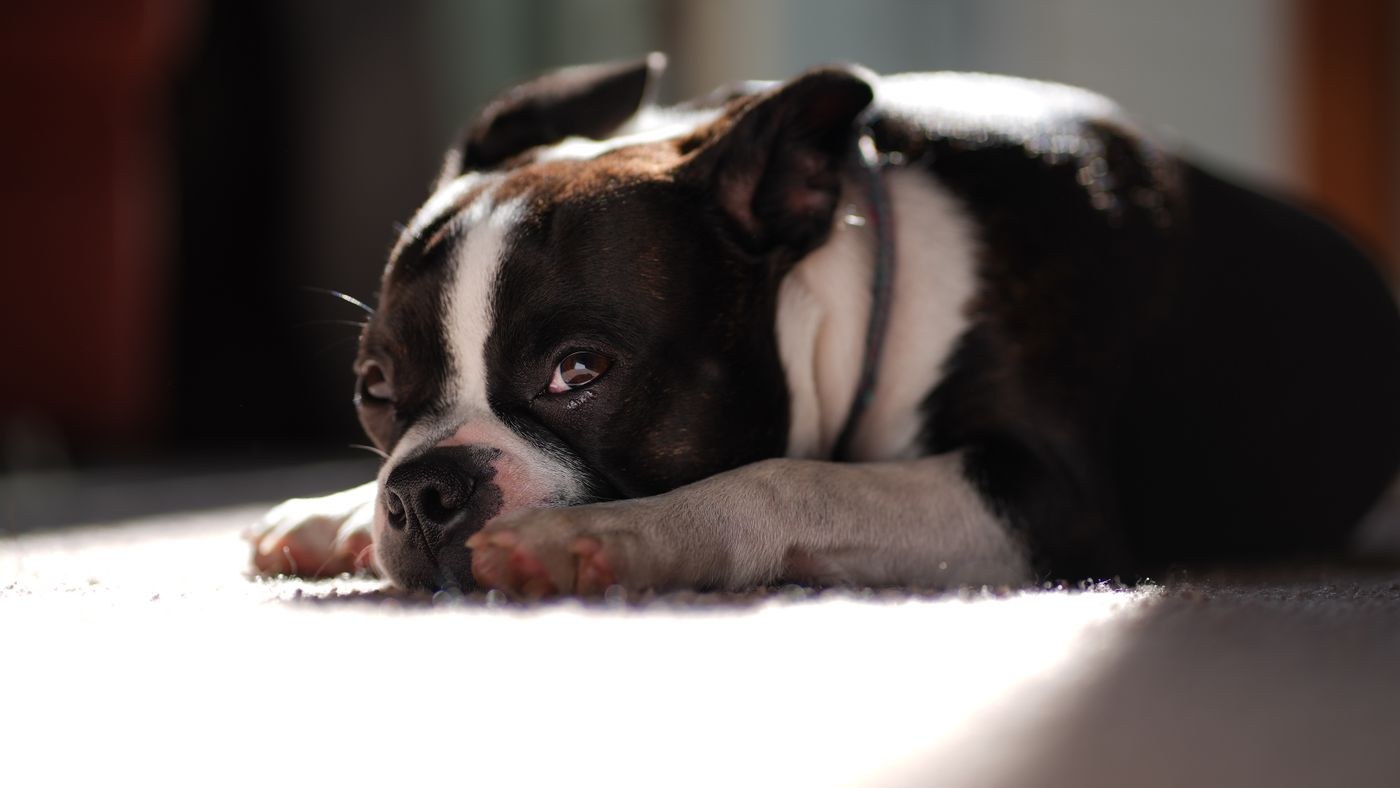
An enjoyable day also contains rest. If the dog settles after an activity, let that be the end instead of offering another challenge to fill the clock. The useful rotation is the one you can maintain, with safe choices that the individual dog willingly returns to.