Match the arrangement to the actual absence
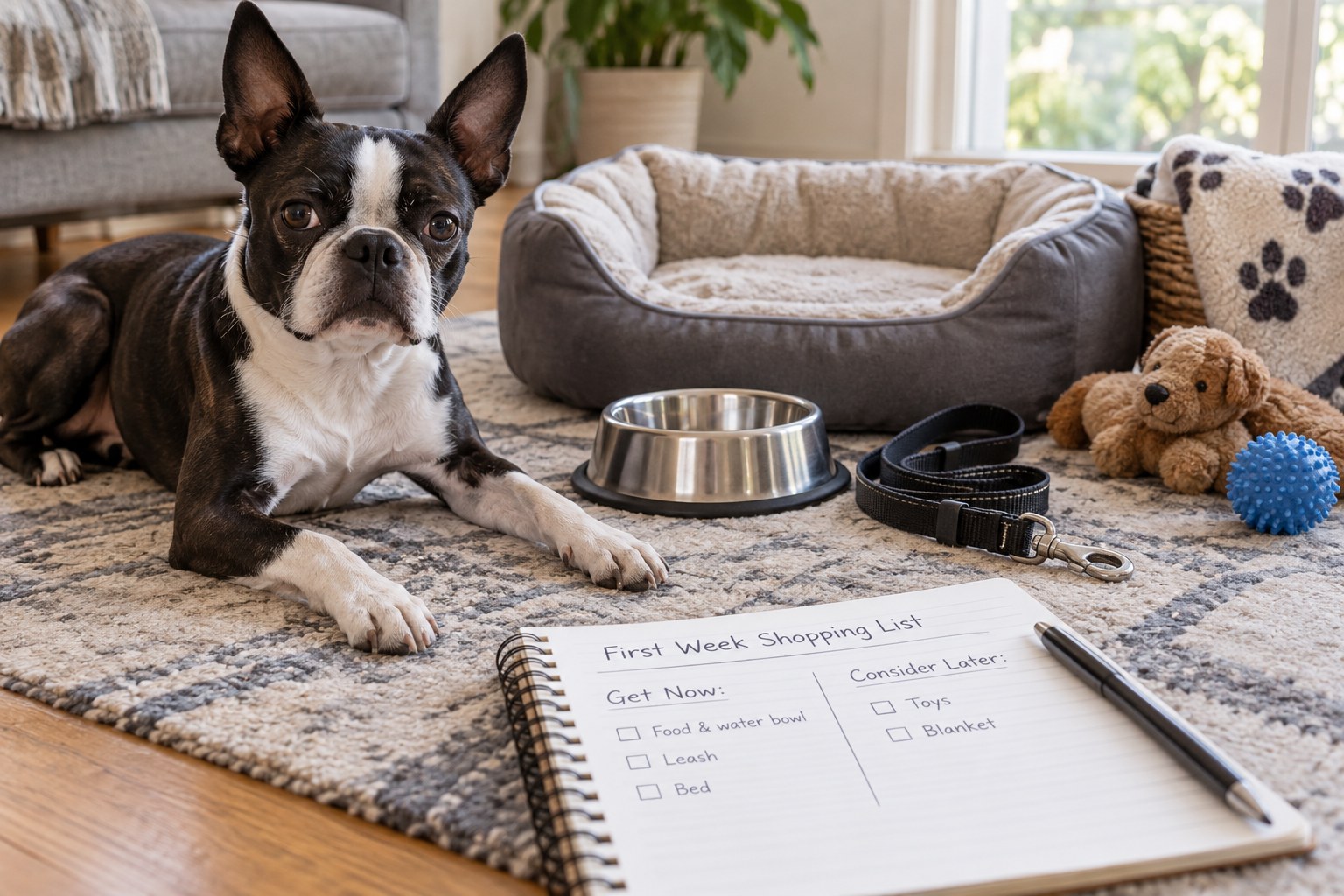
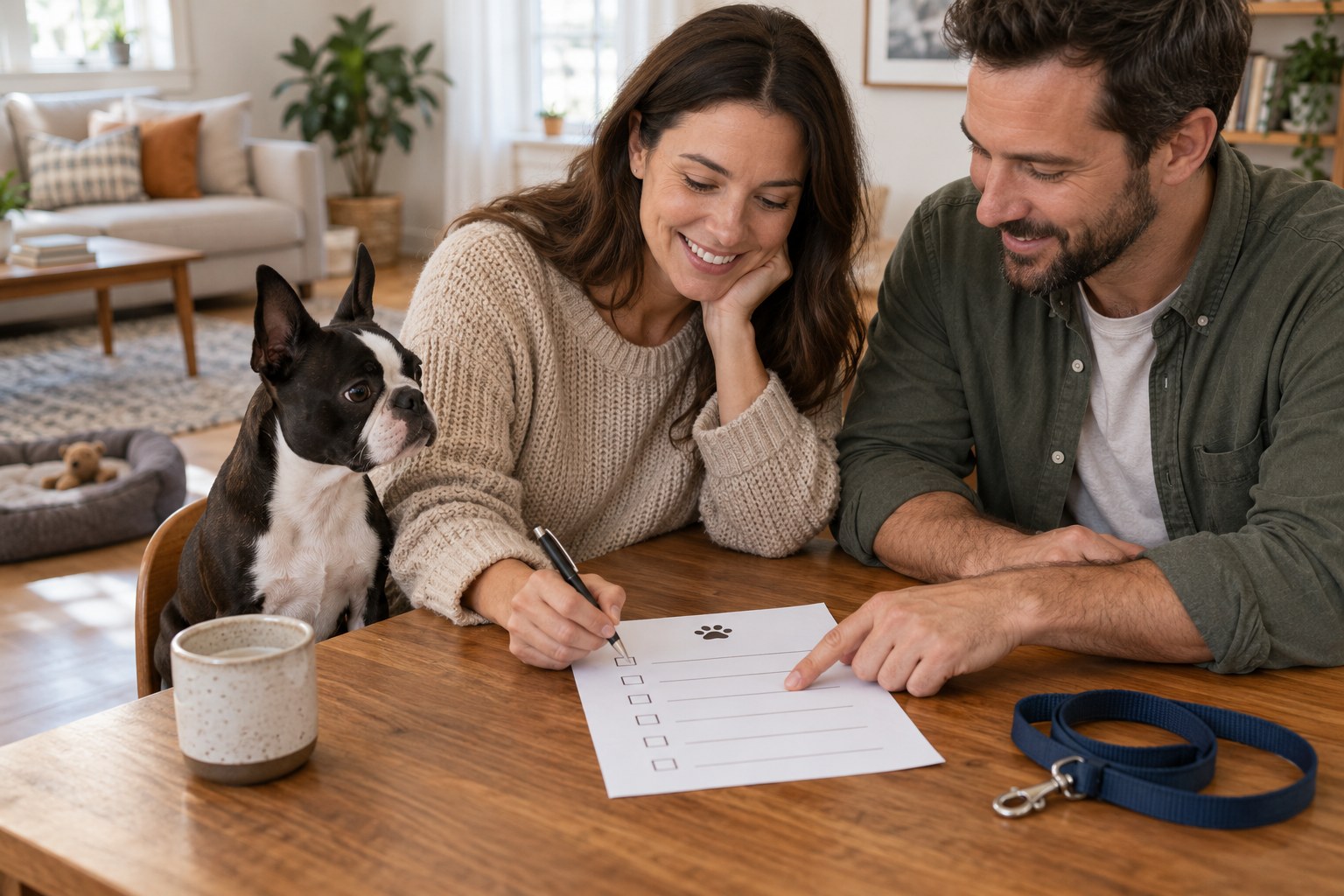
Write down the dates, departure and return times, and which care tasks fall within that period. A person dropping in at midday has a different role from someone staying overnight or caring for the dog in another home. Identify what the arrangement covers before comparing availability or prices.
Discuss the dog’s individual routine and any relevant needs with the prospective carer. Ask how their service works, where care takes place, who may handle the dog and how they communicate changes. If the dog needs an arrangement the person cannot provide, resolve that mismatch before confirming the booking rather than treating it as an instruction to add later.
Check any introduction or trial arrangements the carer offers and decide whether they are appropriate for your dog. A conversation about familiarity should include the actual environment, other animals and access arrangements. It should not depend only on the dog having met the person once in a different setting.
Prepare a current care sheet
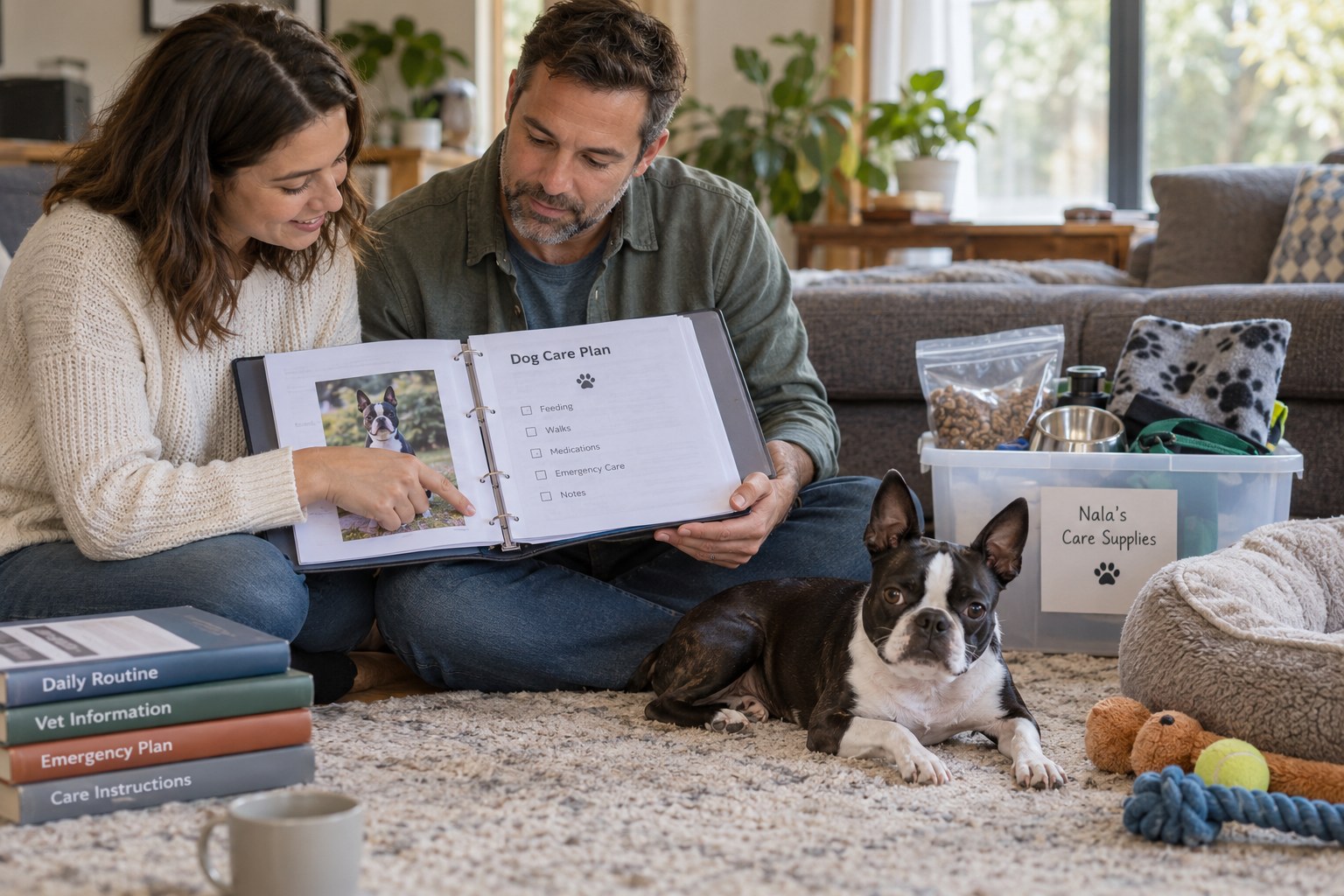
Keep the routine concise enough to follow. Include agreed food arrangements, walking equipment, rest, relevant handling information and the contact routes the carer needs. Preserve veterinary instructions exactly where applicable, and make clear which documents contain them. Do not leave the carer to interpret several versions of a treatment note.
Describe how supplies are organised and what should be replenished during the absence. Show the carer where clean items, used equipment and waste supplies belong. If care occurs in your home, explain the doors, gates or other access arrangements relevant to the dog rather than assuming the layout speaks for itself.
Protect private household information by sharing it only through an appropriate route with the person who needs it. Avoid posting access details, travel plans or sensitive records in a public dog-care group. A general message arranging a meeting does not need to contain the full care file.
Agree on decisions and contingencies
Name the person to contact first, an alternative if that person is unavailable and the veterinary practice’s contact details. Discuss emergency arrangements and any authorisations directly with the carer and practice as appropriate. The plan should explain who can make which decisions without expecting a pet sitter to invent an authority they have not been given.
Consider ordinary disruptions as well as urgent problems. What happens if your return is delayed, the carer becomes unavailable or a planned walking route closes? Identify a real backup arrangement and confirm the people involved. Writing family will help is not a fallback until a particular person has agreed and knows what the role entails.
Decide how often updates are expected and what information they should contain. A short factual message may be more useful than a stream of photographs. Explain which changes should prompt direct contact rather than waiting for the next routine update, using professional guidance for health-related questions.
Hand over and review
Walk through one ordinary care sequence with the person before you leave, where practical. Let them ask questions while supplies and equipment are visible. Confirm the final version of the care sheet and remove outdated instructions from the handover folder. Last-minute changes should be communicated explicitly rather than hidden in an edited document.
On return, ask what worked and what needed clarification. Update the sheet while those details are fresh, and return any access items through the agreed arrangement. A good care plan becomes easier to reuse because the uncertainties have been identified, not because it is copied unchanged for every future absence.