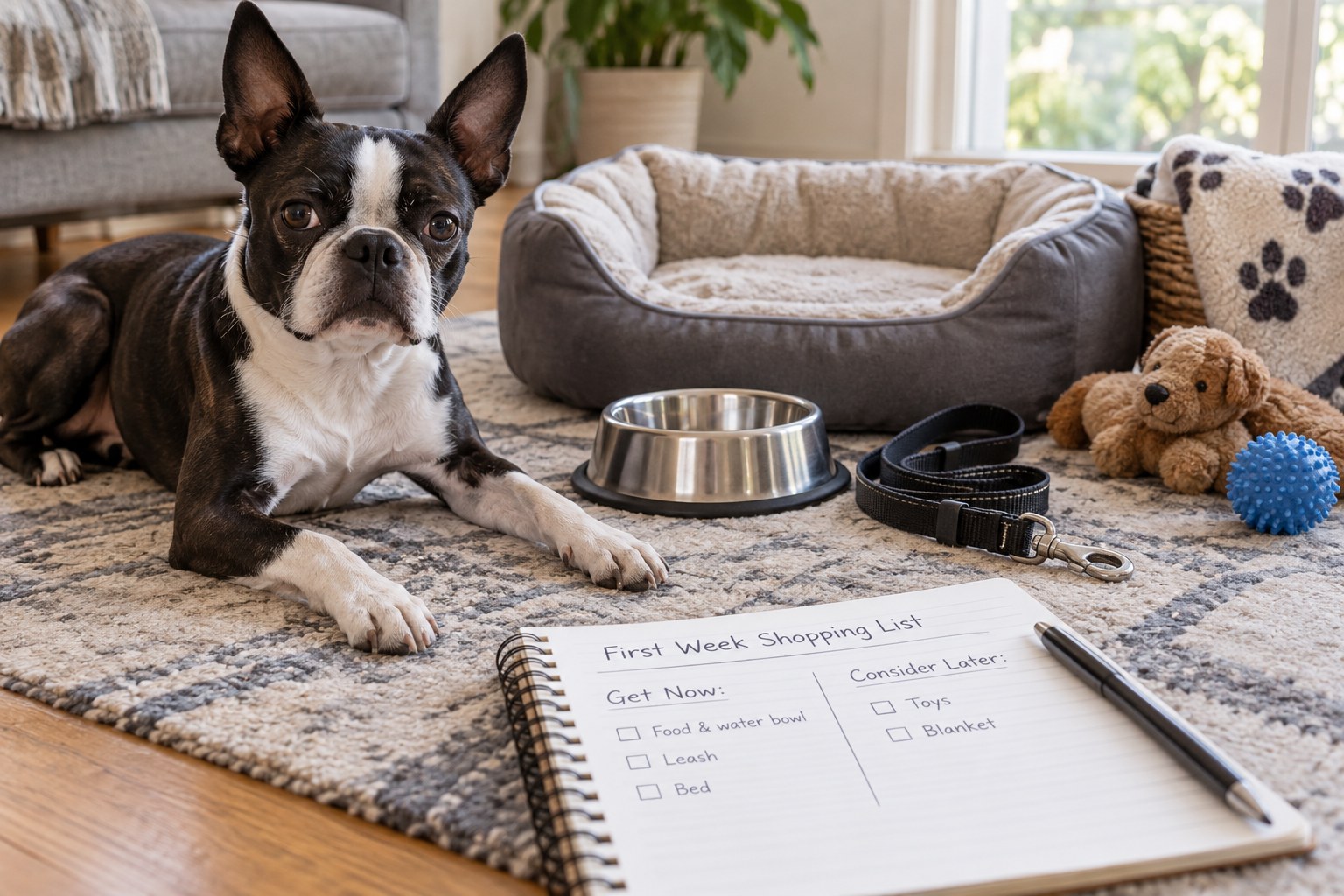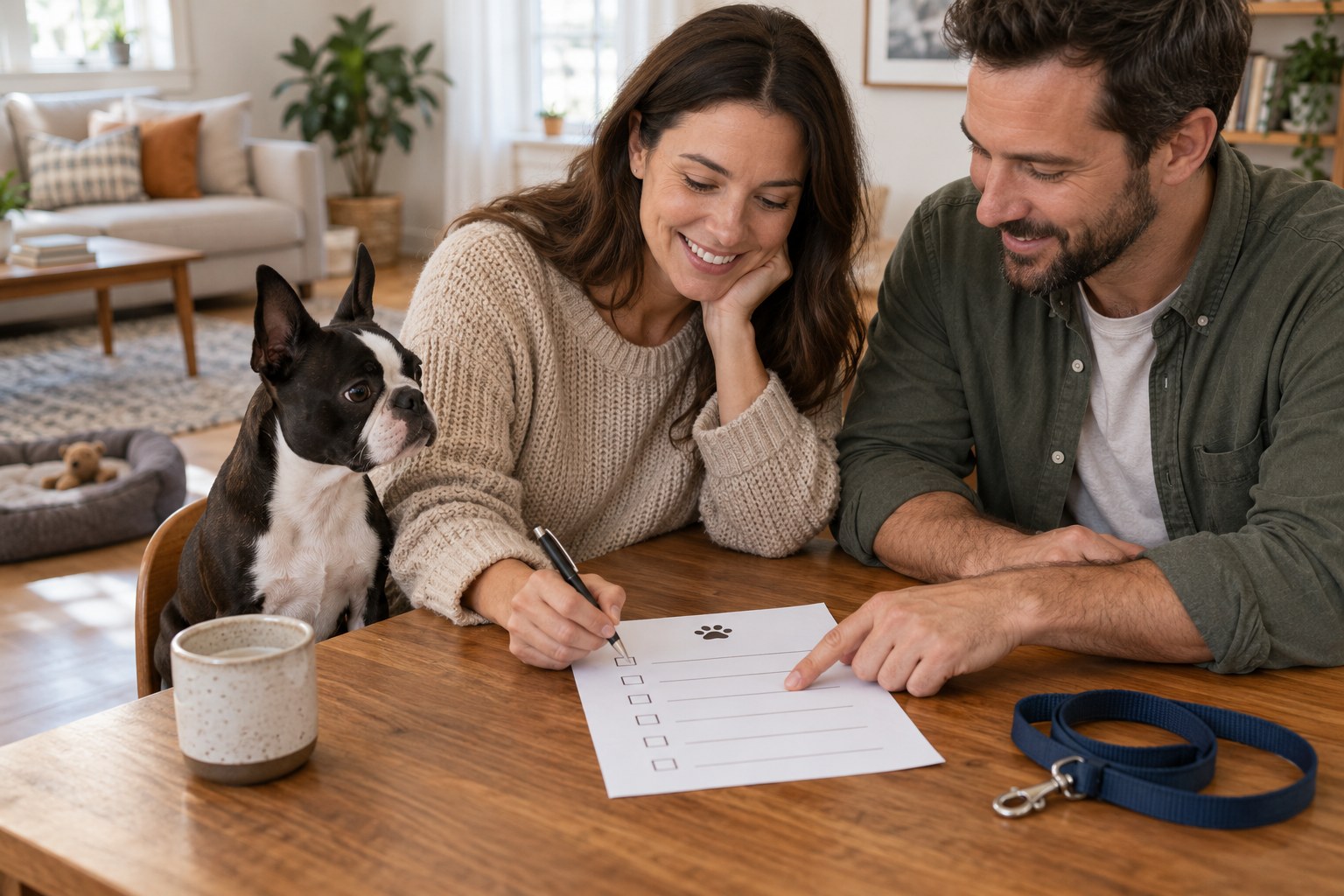
Build a source-labelled folder
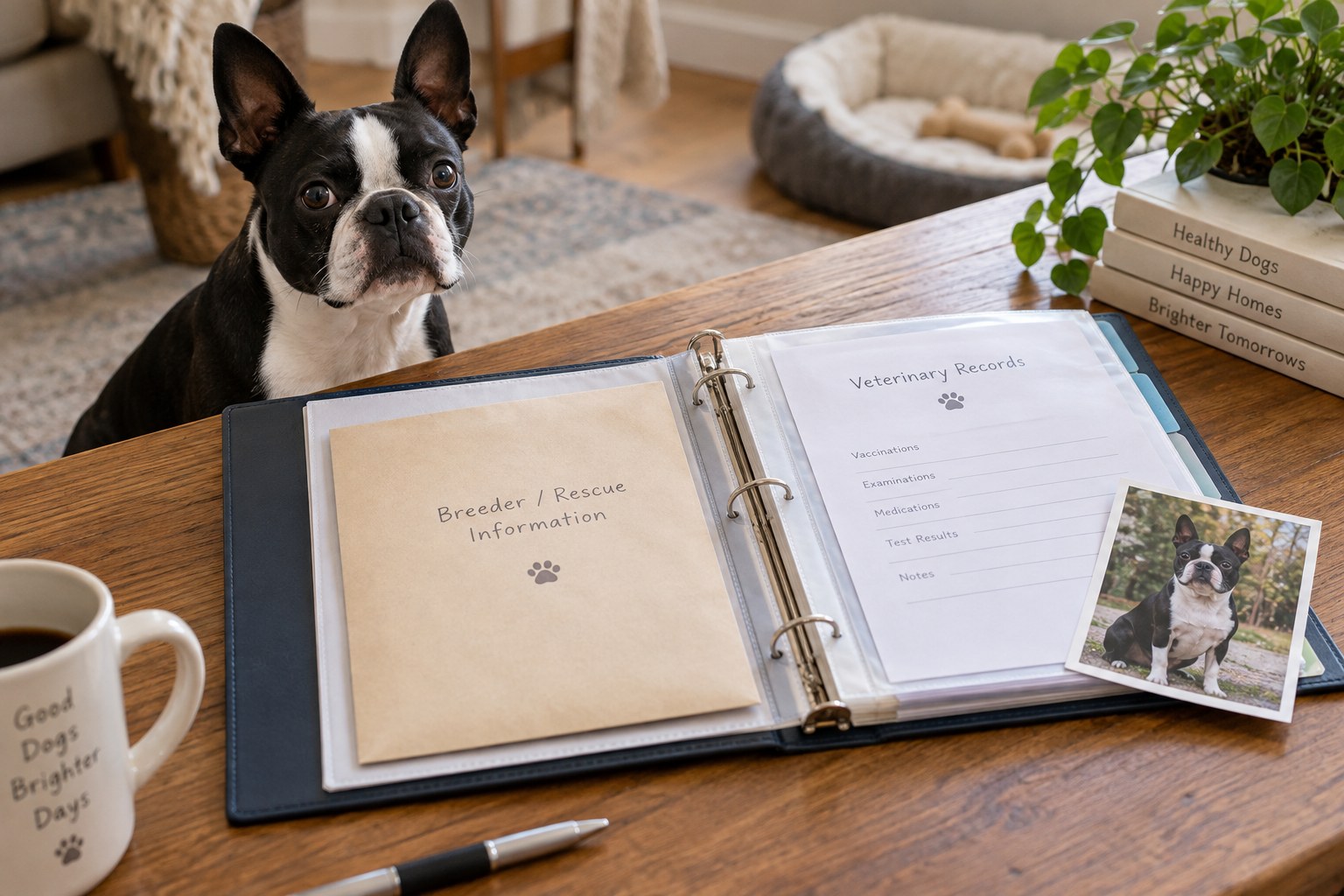
Keep the rescue or breeder’s published contact route, handover documents and any written care information together. Label each item with its source and date. An email attachment from the organisation, an earlier veterinary record and your own notes can all be useful, but they should not look like interchangeable statements from the same person.
Use filenames that explain the contents, such as handover-care-note followed by its date, rather than leaving every item called scan. If paperwork is stored digitally, check that it opens and is readable. Keep a suitable backup and make sure the person responsible for care knows how to find the current folder without needing access to an entire personal email account.
Mark unanswered questions in a separate note. If the handover mentions an item without providing the corresponding record, write the exact question and the organisation to ask. Avoid editing the original document to make it look complete. Preserving the gap is useful because it shows what still needs attention.
Keep contacts attached to a purpose
Distinguish the contact for adoption or breeder questions from the veterinary practice, identification registry and regular carer. A phone number without a role can be confusing during a handover. Note why you would use it and whether the organisation publishes a preferred contact method. Do not present a general office contact as an emergency service unless the organisation actually says it provides that function.
For an update, record when it was sent and any confirmation received. This is particularly useful when contact details or registrations need changing after the dog arrives. A message drafted but not sent and a completed update should not occupy the same column on the checklist.
Share only the documents needed for the task. A sitter may need the current care sheet and veterinary contact, while a professional handling a specific question may request a particular record. Keep personal information belonging to previous owners, volunteers or other parties out of public posts. When you need clarification, quote the relevant detail through the organisation’s own contact route rather than publishing the whole folder.
Review the folder when a new record arrives. File it with its source, retain earlier versions where useful and make the current care instructions easy to identify. The goal is a clear chain from a question to the person or document that can answer it, without pretending your household note replaces the original record.