Find the care gaps on the new calendar
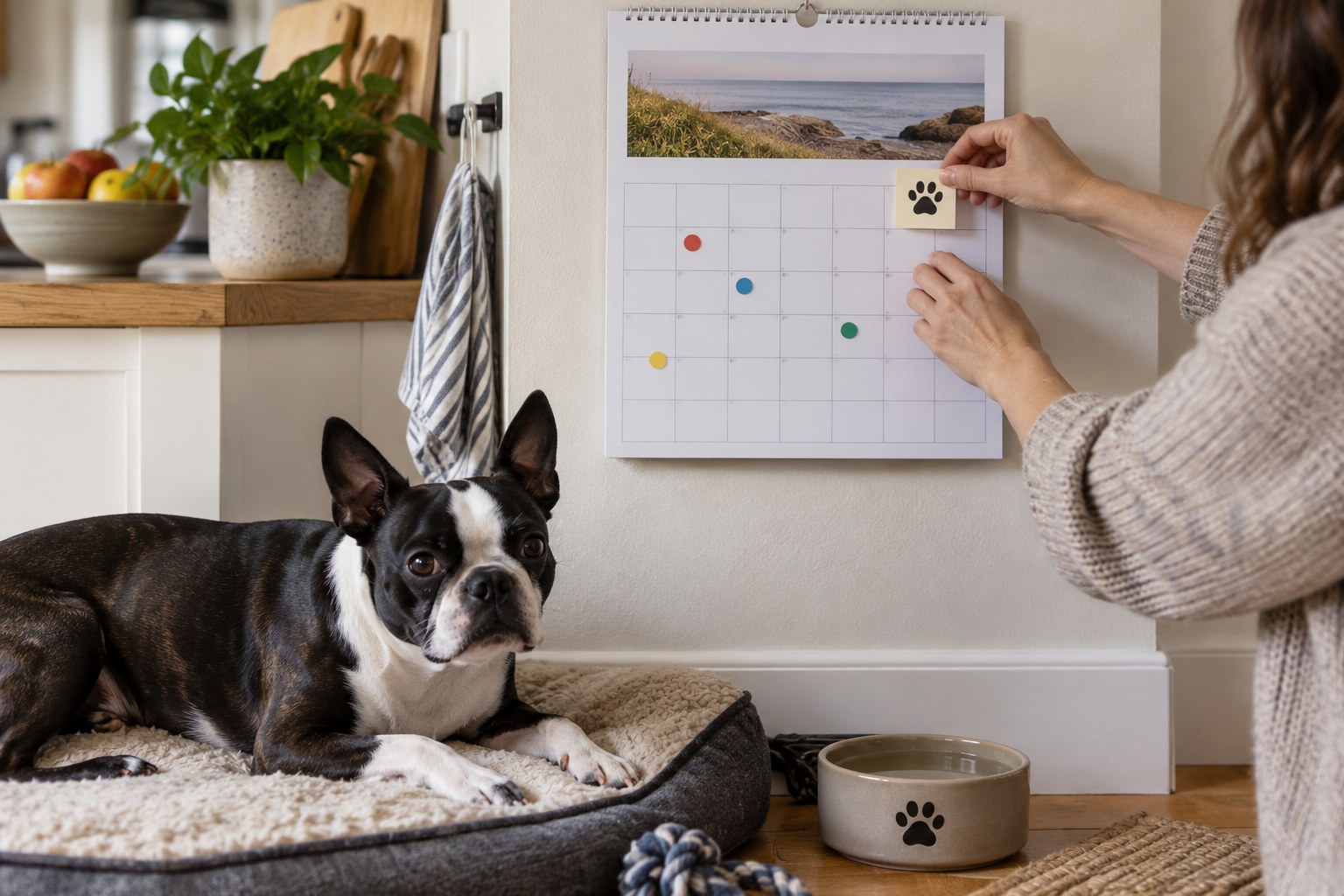
Write the commitments that cannot move: departure times, return times, travel and recurring appointments. Place meals, toilet opportunities and other established care alongside them. Include the minutes needed for a handoff and travel between homes. Two people's calendars can both appear available while leaving a gap because each assumes the other is responsible.
Assign a named person to each task and identify the backup. Keep the dog's current veterinary or behavior instructions visible during planning. A schedule change is not a reason to alter medication timing or activity restrictions without asking the relevant professional. Solve the human timetable around those instructions first.
Keep the recognizable parts
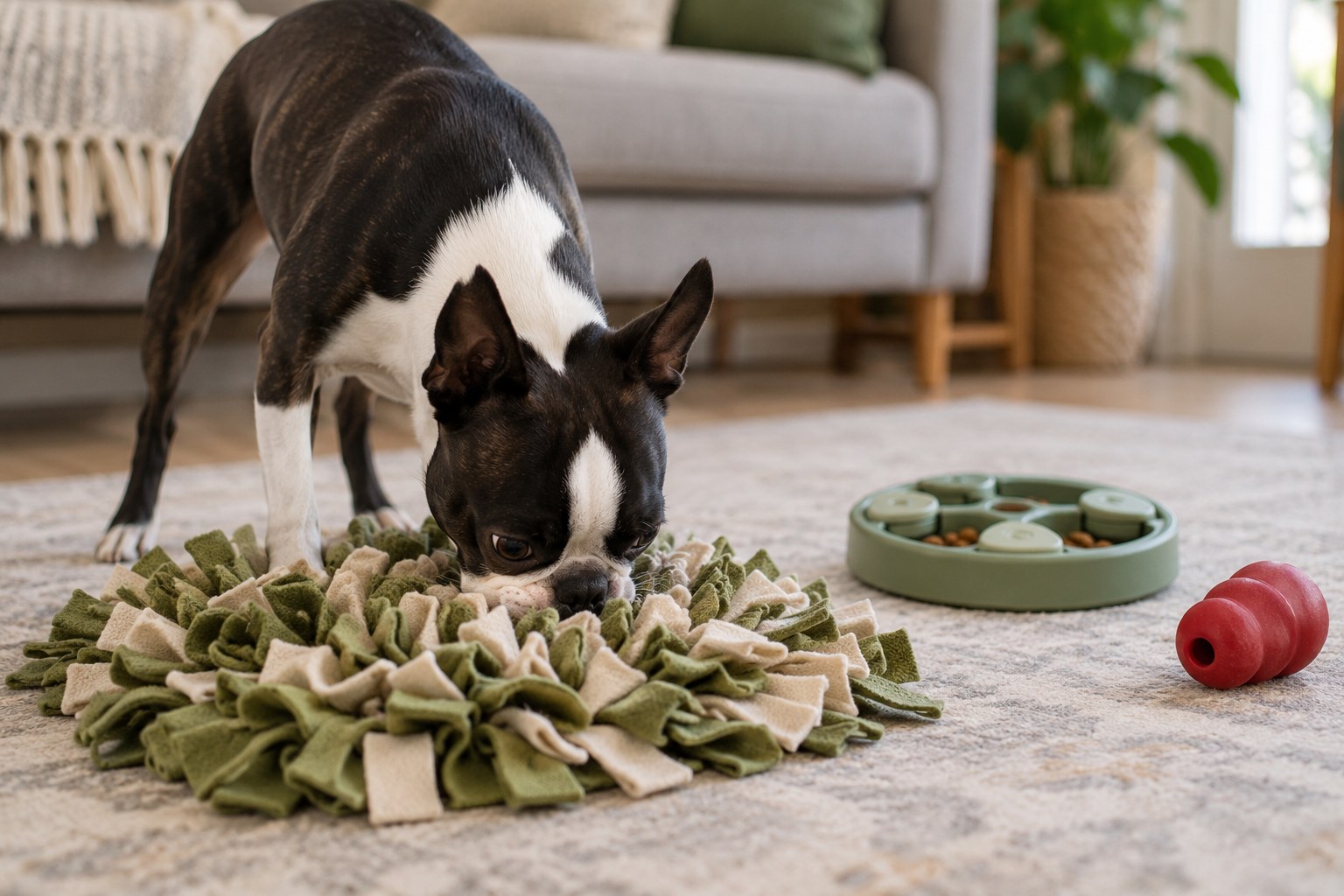
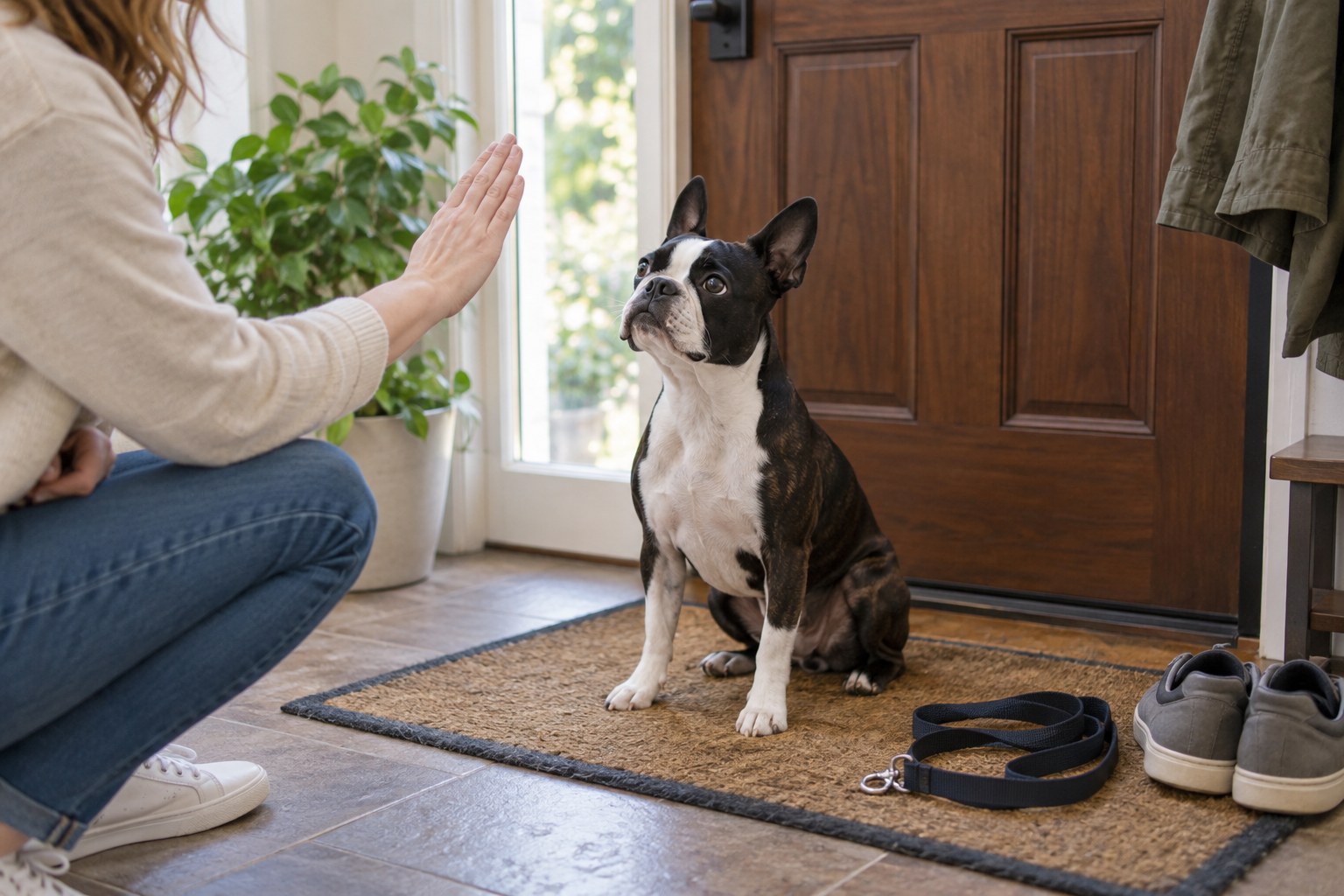
Preserve familiar equipment, cues and resting arrangements where possible while the time pattern changes. If a new walker takes over, introduce them and demonstrate the usual exit routine before their first solo visit. Let them use the care note rather than expecting them to remember every detail from a quick conversation.
Change manageable elements deliberately. Moving breakfast, changing food, buying a new harness and introducing long absences in the same week makes it harder to understand a problem. Some changes cannot be separated, but you can record them and arrange extra support. Describe what has changed to your veterinary or behavior professional if the dog is struggling.
Observe the new day without expecting instant adjustment
Keep brief notes of meals, outings, rest and any difficulties. Use actual observations such as 'could not settle after the midday visit' rather than deciding the dog is protesting. If you use a camera during absences, follow applicable privacy rules and check whether it gives you information you can act on; recording does not replace care.
Arrange help when the new schedule leaves needs unmet. Do not make distress a test the dog must pass before you reconsider the plan. Seek veterinary advice for changes in health or behavior, and appropriate qualified support for difficulties with being left. Keep interim care in place while a longer-term arrangement is developed.
Review the handoff, then simplify
After several ordinary days, ask caregivers where the plan failed in practice. A key collected from another address, an unclear meal record or an unreachable backup can undermine an otherwise sensible schedule. Fix that specific bottleneck and update the written instructions.
Once the arrangement is functioning, remove duplicate reminders and old versions. Keep one current care page and a short contact list. Check again when another significant change occurs rather than treating the revised routine as permanent. The useful result is clear responsibility and enough flexibility to respond to the individual dog.